Medical Air Transport Services

LifeNet Air has pioneered providing air medical transport across Arkansas and Texas for over 40 years. From our first flight in 1983 to now, our Helicopters and Fixed Wings are always at the ready to provide high quality critical care to our patients.

When Don Ruggles lost his son, Tony, due to a fatal hunting accident in rural Arkansas, he recognized the need to find a way to expedite the speed at which patients could receive appropriate medical care at the right and closest hospital. Don met Roy Morgan, who had just founded Air Methods and the two discussed medical helicopters. It was soon realized that there was a strong possibility that his son, Tony, would still be alive had a helicopter been available to transport him for quicker medical care.

With the help of Roy Morgan, St. Michaels Hospital and a few others, Don worked diligently to bring the first full-time air medical service to the state of Arkansas.

LifeNet has expanded our flight program to include helicopters based at both Texarkana and Hot Springs Regional Airports, and in Daingerfield, Texas. Additionally, we have a fixed wing plane based in Texarkana. Combined, the program will fly more than 500 patients a year.

The air medical program provides interfacility transports for patients needing critical patient care via our helicopters and fixed wing, while also responding to scene flights and other medical calls where time is of the essence.

LifeNet is proud to say we are the oldest operating Air Medical Program in the State of Arkansas and is committed to providing patients the right care at the right time in the right place. 

About Our Fleet

LifeNet Air 1

Aircraft: Bell 407GX
Base: Texarkana Regional Airport
Request: 800-582-5433
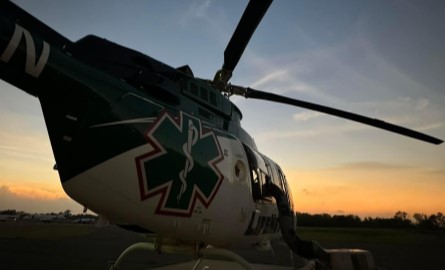
LifeNet Air 2

Aircraft: Bell 407 GX
Base: Hot Springs Regional Airport
Request: 800-582-5433

LifeNet Air 4

Aircraft: Bell 407
Base: Daingerfield, Texas
Request: 800-582-5433

Fixed Wing

Aircraft: PC-12
Base: Texarkana Regional Airport
Request: 800-582-5433

Landing Zone Class

Our LZ classes are designed to teach first responders the following:

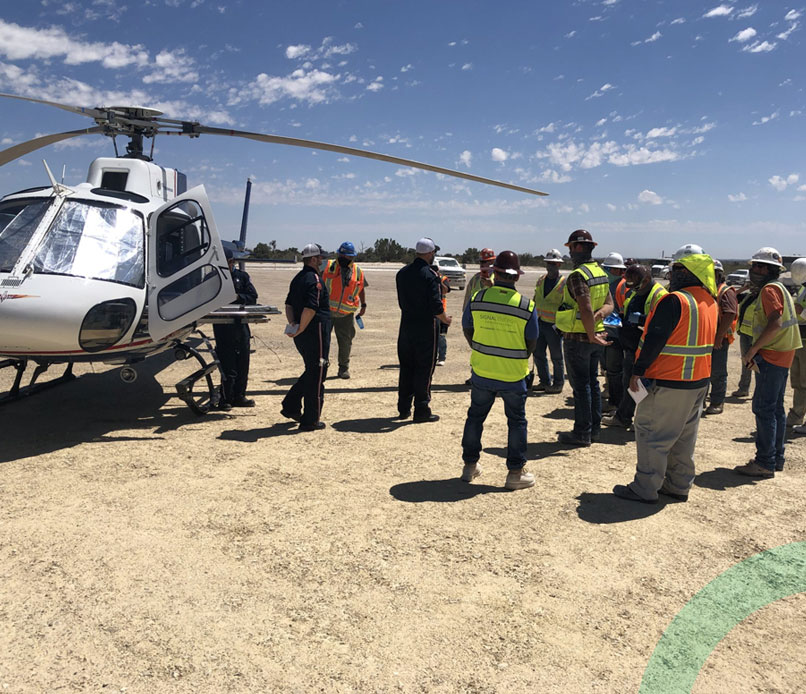
  • Medical Helicopter Capabilities
  • Appropriate Use of a Medical Helicopter
  • Hot to Request a Helicopter
  • Landing Zone Selection and Setup
  • Night Landing Zone Specifics
  • Helicopter Scene Safety

LifeNet Air Transition FAQ

The transition to Metro Aviation is scheduled to take place on October 1, 2026. Our teams have been working diligently to ensure a seamless transition with no disruption to patient care or operations.

No. LifeNet Air will continue providing air medical transport throughout the transition. Patients, hospitals, and EMS agencies can expect uninterrupted service.

No. Our commitment to delivering exceptional critical care transport remains unchanged. Patients will continue receiving the same high-quality clinical care they have come to expect from LifeNet Air.

No. Our dedicated flight nurses and flight paramedics will remain in place, and the high standards of care and established medical protocols that guide every mission will continue without interruption.

Most partners should experience little to no change. Our goal is to make this transition as seamless as possible while maintaining the same trusted relationships and level of service.

No. Maintaining rapid response capabilities remains one of our highest priorities. We anticipate response times will remain consistent throughout the transition.

There will be one important change to our dispatch process. As part of this transition, all air medical dispatch requests will be coordinated through our in-house Communications Center in Hot Springs. Training and preparation for this transition are well underway to ensure a seamless experience for our partners.

Our new flight request number is 833-611-5433. You may begin using this number immediately. Until the official transition is complete, our Communications team will coordinate all flight requests with Air Methods on your behalf, ensuring there is no interruption in service.

Our goal is to make this transition as smooth as possible while continuing to provide the same rapid, reliable service our partners have come to expect.

The flight request process will remain simple, but there will be a new dedicated flight request number. Partners may begin using 833-611-5433 immediately.

Until the official transition is complete, our Communications Center in Hot Springs will receive all flight requests and coordinate them with Air Methods on your behalf. This ensures a seamless transition with no interruption in service.

After the transition, all flight requests will continue to be managed through our in-house Communications Center using the same dedicated number: 833-611-5433.

There will be no changes to our aircraft prior to Metro Aviation assuming operations on October 1. Following the transition, aircraft models may vary by base during the implementation period until each base receives its permanent aircraft. Initially, LifeNet Air 1 and LifeNet Air 2 will operate EC135 helicopters.

To ensure a smooth transition, training and aircraft familiarization sessions will be conducted with local EMS agencies, fire departments, hospitals, and other first responders so they are comfortable with the aircraft and any operational considerations.

Regardless of the aircraft model, our commitment to providing safe, reliable, and high-quality air medical transport remains unchanged.

Yes. Metro Aviation pilots undergo extensive training and adhere to rigorous FAA regulations, company standards, and ongoing proficiency requirements to ensure the highest level of safety.

Yes. LifeNet Air’s aircraft will continue operating from their current bases to ensure continued access to critical care air transport throughout the region.

Hospital partners can expect the same dependable service, open communication, and commitment to exceptional patient care throughout the transition.

EMS agencies should expect business as usual. LifeNet Air remains committed to being a reliable partner in emergency and critical care transport.

Yes, Community outreach, education, hospital engagement, and our other public safety initiatives will continue across the communities we serve. 

Partnering with Metro Aviation positions LifeNet Air for continued growth and long-term operational excellence while maintaining our commitment to safe, reliable, and compassionate air medical transport.

Updates will be shared through LifeNet Air’s official communication channels, including direct partner communications, social media, and our website.

If you have questions about the transition, please contact one of the following team members:

Adam Oliver
Chief Operating Officer (COO)
903-832-8531

Heidi Hile
Director of Air Medical Services
870-451-1060

Shermar Easter
Corporate Recruiter & Air Medical Marketing Specialist
903-276-5917

Our team is committed to providing timely updates, answering questions, and ensuring a smooth transition for our hospital, EMS, and community partners.